- 250 West 72nd Street New York, NY 10023 Manhattan, New York
- +1 (212) 555-0147
- hello@urbanbathroomremodeling.com
Refresh your bathroom with a bathtub that complements your space, style, and daily routine. From replacing an outdated tub to introducing a freestanding centerpiece, explore bathtub installation and replacement options designed around your preferences, existing bathroom, and renovation goals in Manhattan, NYC.
A bathtub can serve as both a practical bathroom feature and an important part of the room’s overall design. Whether you’re replacing a worn or outdated tub, updating the surrounding finishes, or exploring a freestanding bathtub for a more contemporary look, the right solution depends on your space, preferences, and renovation plans. Bathtub installation and replacement may involve evaluating dimensions, plumbing connections, surrounding surfaces, and the relationship between the tub and other bathroom features. For homeowners in Manhattan, NYC, apartment layouts, building requirements, and access limitations can also influence the available options. Understanding these considerations helps establish a suitable direction for your project.
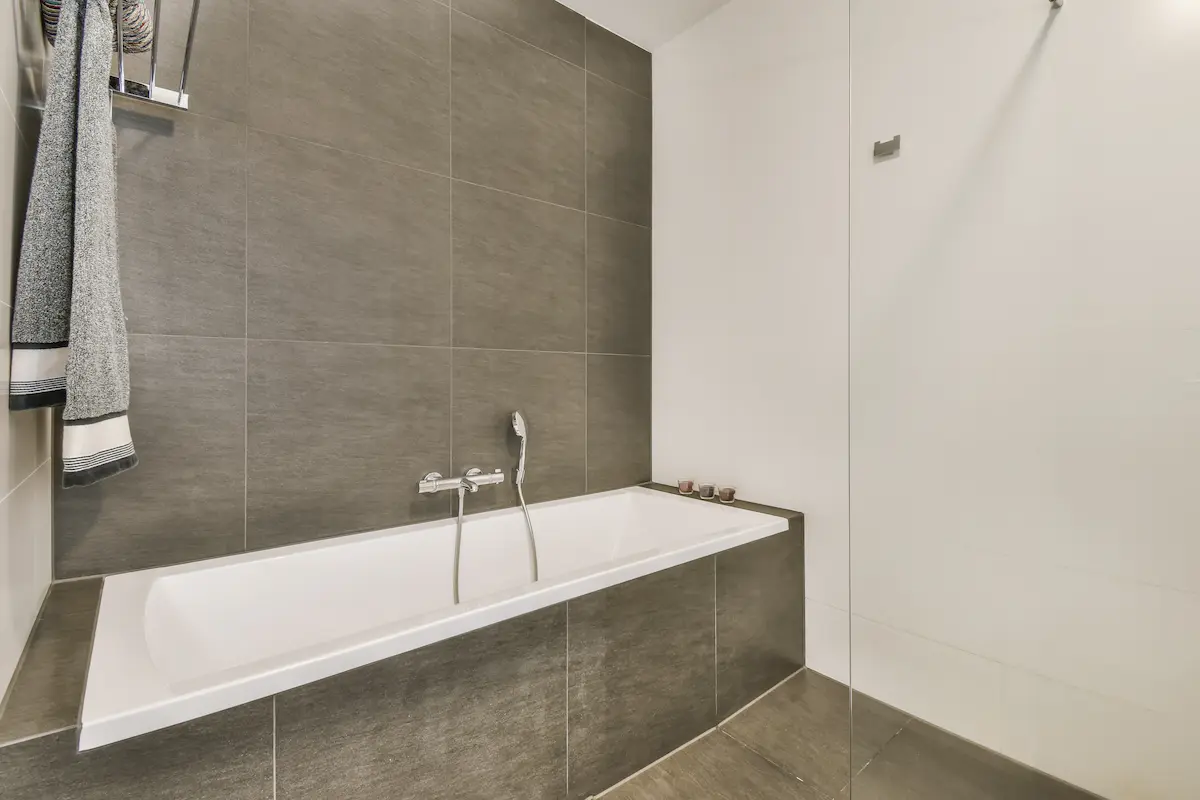
Bathtub installation and replacement involves selecting and fitting a bathtub that suits the bathroom’s layout, intended use, and design direction. Some projects focus on replacing an existing tub with a similar configuration, while others explore a different shape, material, or installation style. Options may include alcove bathtubs, drop-in designs, and freestanding models, depending on the available space and installation requirements. The work may also involve updating surrounding tile, wall finishes, fixtures, and related details to create a cohesive result. Existing plumbing, structural considerations, and access to the installation area all help determine which bathtub options are practical for a particular bathroom.
The scope of a bathtub project depends on the existing setup, the selected model, and the improvements planned for the surrounding area.
Bathtub selection and sizing: Explore bathtub styles, dimensions, shapes, and configurations that suit the available space and intended use.
Removal and replacement considerations: Evaluate the existing bathtub, access requirements, and preparation needed for the new installation.
Surrounding tile and finishes: Consider wall surfaces, tub surrounds, sealant details, and complementary materials that integrate the bathtub into the bathroom design.
Fixtures and plumbing connections: Coordinate faucets, controls, drains, and overflow components with the selected tub and existing plumbing conditions.
An older bathtub may show visible wear, feel uncomfortable to use, or no longer complement the bathroom’s design. Damaged finishes, outdated fixtures, difficult-to-clean surfaces, or a poorly coordinated tub surround can make the bathing area feel tired and disconnected from the rest of the room. Some homeowners may also want to change the bathtub style as part of a broader renovation or create a more cohesive relationship between the tub, vanity, tile, and fixtures. Replacing a bathtub provides an opportunity to reassess these details, with the appropriate scope depending on the existing conditions and desired improvements.
Replacing a bathtub may be worth considering when its condition, functionality, or appearance no longer aligns with your needs.
The bathtub has visible chips, cracks, persistent surface wear, or deterioration.
The existing tub is difficult to clean or no longer suits your preferred bathing experience.
The bathtub and surrounding finishes appear dated or inconsistent with the rest of the bathroom.
You’re planning a bathroom renovation and want a different tub style, configuration, or overall design.
A bathtub replacement project begins with understanding the existing bathing area and identifying the changes you want to make. The bathtub’s dimensions, installation style, access route, plumbing connections, and surrounding surfaces all influence the options available. Once the practical requirements are understood, the selected tub can be coordinated with the bathroom’s tile, fixtures, colors, and broader design direction. In Manhattan apartments and condominiums, building rules, elevator dimensions, access restrictions, and applicable approvals may also affect planning. Considering these details before finalizing the installation helps clarify the project’s requirements and reduce the likelihood of overlooking important constraints.
Planning starts with evaluating the current bathtub and the space around it. Important considerations include the tub’s dimensions, the location of existing plumbing, the condition of the surrounding surfaces, and whether the replacement will retain the same configuration. Switching from an alcove tub to a freestanding model, for example, may require additional space and changes to plumbing or floor-mounted fixtures. Access for removing the existing bathtub and bringing in the replacement should also be considered. Establishing these requirements early helps determine which options are feasible and whether the project should be coordinated with other bathroom improvements.
Bathtubs are available in different shapes, materials, sizes, and installation styles, each with practical and visual considerations. A freestanding tub can create a distinctive focal point when the room has sufficient space, while an alcove bathtub may suit a more compact or conventional layout. Material selection can influence the tub’s weight, surface feel, maintenance requirements, and installation considerations. Faucets, drains, overflow components, tile, and surrounding finishes should also be evaluated as part of the overall design. The aim is to select a bathtub that suits the room’s dimensions and intended use while contributing to a consistent, considered appearance.
The right bathtub depends on how you use the space, the available footprint, your design preferences, and the practical requirements of installation. A straightforward replacement may be appropriate when the existing configuration works well, while a different tub style may require additional planning. Consider how the bathtub will fit alongside the shower, vanity, and other fixtures, as well as how easily the area can be accessed and maintained. Budget, material selection, plumbing locations, and property restrictions can all influence the final decision. Evaluating these factors together helps you choose an option that balances appearance, functionality, and project complexity.
Before planning a bathtub installation or replacement, consider the following:
Project goals and priorities: Decide whether you need a straightforward replacement, a different bathtub style, or a broader update to the bathing area.
Budget and scope: Account for the bathtub, installation requirements, fixture selections, and any surrounding renovation work.
Materials and functional requirements: Evaluate size, shape, material, comfort, cleaning needs, and compatibility with the bathroom’s design.
Timeline and property considerations: Consider delivery access, building requirements, plumbing conditions, and any approvals that may apply.
Bathtub installation or replacement may be suitable if your existing tub is worn, your bathroom needs a design refresh, or you want a bathing feature that better reflects your preferences. Whether you’re considering a modern freestanding bathtub, a replacement for an existing alcove tub, or updated finishes around the bathing area, the right approach starts with understanding the space and installation requirements. Plumbing, access, dimensions, and property restrictions should all inform the plan. Request a consultation to discuss your bathroom, explore suitable bathtub options, and establish a potential scope for your Manhattan property.
Upper West Side, Manhattan
Chelsea, Manhattan
Upper East Side, Manhattan
A successful bathtub upgrade brings together the right configuration, complementary finishes, and practical installation considerations to suit your bathroom and everyday routine.
Explore alcove, drop-in, and freestanding bathtub styles based on the available space, desired appearance, and installation requirements.
Consider the preparation, removal, access, and fitting requirements involved in replacing an existing bathtub with a suitable alternative.
Coordinate wall surfaces, tub surrounds, sealant details, and complementary finishes for a cohesive bathing area for every day living.
Explore compatible faucets, tub fillers, drains, and overflow components that suit the selected bathtub and existing plumbing configuration.
Bathroom remodeling involves many decisions, from materials and fixtures to layout and finishing details. Our approach centers on thoughtful choices, clear planning, and a bathroom designed around your needs.
Understand your project's potential scope and expected costs through a free estimate, helping you evaluate your options and decide how to move forward with greater clarity.
Balance visual appeal, everyday functionality, and your personal preferences through considered design choices that make better use of your bathroom's available space.
Understand the proposed scope, important material selections, project priorities, and next steps before work begins, helping you approach your renovation with greater confidence.
Bring materials, fixtures, surfaces, and finishing touches together through carefully considered choices that create a cohesive bathroom design suited to your home.
Every renovation starts with understanding your goals. Our proposed process moves from the initial conversation toward a defined project scope and a bathroom plan that fits your needs.
Share your bathroom’s current condition, the changes you’d like to make, your preferred style, and the features that matter most to your household.
Talk through your priorities, preferred finishes, property considerations, and the overall scope of your bathroom renovation.
Review the proposed work, discuss important selections, and understand the expected costs and next steps before proceeding.
Once the project scope and arrangements are agreed upon, move into the renovation with a shared understanding of the plan.
Have an outdated bathroom or a new design in mind? Tell us about your space and what you want to change. Start with a free estimate and a conversation about your project.
Tell us a little about your bathroom so we can better understand your goals and the scope of work.