- 250 West 72nd Street New York, NY 10023 Manhattan, New York
- +1 (212) 555-0147
- hello@urbanbathroomremodeling.com
The right lighting and fixtures can transform how your bathroom looks, feels, and functions. From modern faucets and refined shower hardware to carefully planned lighting and coordinated finishes, we help bring the details together to create a more cohesive space. Whether you’re refreshing a few features or updating these elements as part of a larger renovation, each choice is considered around your bathroom’s layout, practical needs, and overall design.
Lighting and fixtures have a significant influence on the comfort, appearance, and functionality of a bathroom. Well-considered lighting can make daily routines more convenient, highlight architectural details, and help establish the atmosphere of the space. Updated faucets, showerheads, and hardware can complement the overall design while bringing a more consistent look to the room. Urban Bathroom Remodeling considers these elements as part of a cohesive bathroom design, taking into account your preferences, existing layout, and practical requirements. Whether you are updating individual features or incorporating new selections into a larger renovation, the goal is to create a bathroom that feels intentional down to the details.
Bathroom lighting and fixtures serve both practical and visual purposes. Lighting needs to support everyday activities while contributing to the overall mood of the room. Fixtures such as faucets, showerheads, handles, and other hardware should work with the bathroom’s style and intended use. Their placement, finish, compatibility, and installation requirements all influence the final result. In Manhattan bathrooms, existing electrical and plumbing layouts can affect which upgrades are practical without additional modifications. Considering lighting and fixtures alongside cabinetry, tile, mirrors, and other finishes helps create a more coordinated space rather than a collection of unrelated features.
Depending on your bathroom and project scope, upgrades may include:
Bathroom lighting: Updating selected light fixtures to complement the space and its functional needs.
Vanity lighting: Considering lighting around mirrors and vanities to support everyday grooming and personal care.
Ceiling and accent lighting: Exploring suitable lighting options to create a more balanced atmosphere.
Faucet upgrades: Selecting bathroom faucets that coordinate with the sink, countertop, and other finishes.
Showerheads and controls: Updating compatible shower fixtures to suit your preferred style and functionality.
Hardware and accessories: Coordinating handles, towel bars, toilet paper holders, and other bathroom details.
Finish coordination: Bringing metals, colors, and fixture styles together for a consistent overall appearance.
The specific upgrades available depend on existing conditions, product compatibility, plumbing and electrical requirements, and the agreed project scope.
Outdated fixtures, inconsistent finishes, harsh lighting, or poorly positioned light sources can affect both the appearance and usability of a bathroom. A vanity area may not have lighting suited to daily routines, while older faucets and shower hardware may no longer complement the rest of the room. Sometimes the issue is less about an individual fixture and more about how the different elements work together. Updating selected features provides an opportunity to improve visual consistency and reconsider practical needs. Existing electrical, plumbing, and installation conditions should also be evaluated when determining which changes are appropriate.
You may want to consider upgrading your bathroom lighting or fixtures if:
Existing light fixtures look dated or do not complement your bathroom’s design.
Vanity lighting does not adequately support everyday grooming tasks.
The bathroom feels overly harsh, dim, or visually unbalanced.
Faucets, showerheads, or hardware show visible wear or no longer suit your needs.
Metal finishes and fixture styles appear inconsistent throughout the space.
You are renovating your bathroom and want the lighting and fixtures to coordinate with new finishes.
If a fixture is malfunctioning, leaking, overheating, or showing signs of electrical damage, the underlying issue should be assessed before cosmetic upgrades are made.
A cohesive lighting and fixture plan starts with understanding how the bathroom is used and which elements need attention. We consider the existing layout, preferred style, available lighting locations, plumbing connections, and the finishes already present in the space. From there, suitable fixtures can be selected to complement one another and support the intended design. Placement, product compatibility, and installation requirements are important parts of the planning process. The appropriate scope depends on the bathroom’s existing conditions, the products selected, and whether the upgrades require changes to electrical or plumbing systems.
Planning begins with identifying the fixtures to be updated and reviewing their existing locations and connections. Lighting changes may require consideration of electrical wiring, switching, fixture ratings, and suitability for bathroom environments. Faucet and shower fixture upgrades require attention to plumbing connections, mounting configurations, and compatibility with existing components. If the project involves relocating fixtures or changing electrical or plumbing layouts, those requirements should be assessed before work begins. Any work requiring specialized or licensed trades should be handled in accordance with applicable requirements.
Bathroom lighting and fixtures come in a wide range of styles, finishes, and configurations. Options may include contemporary sconces, ceiling-mounted lights, vanity fixtures, polished chrome faucets, brushed metal finishes, or understated matte hardware. The right selection depends on the overall design, practical needs, maintenance preferences, and compatibility with existing installations. Coordinating finishes across faucets, shower hardware, cabinet pulls, and accessories can help create a more unified appearance. Lighting color temperature, brightness, placement, and suitability for the intended location should also be considered when choosing products.
The best lighting and fixture choices balance appearance with everyday usability. Vanity lighting may need different considerations from general room lighting, while shower fixtures must be suitable for their intended application. Finishes should complement the bathroom’s other materials without making the space feel overly matched or visually busy. It is also important to consider product dimensions, compatibility, maintenance, and any installation changes required. Reviewing these factors together helps narrow down options that fit your bathroom’s style and practical requirements.
Lighting needs: Which areas need better illumination for daily routines?
Fixture placement: Can existing locations support your preferred lighting or fixture selections?
Style and finish: How will the fixtures coordinate with tile, cabinetry, mirrors, and other hardware?
Product compatibility: Will the selected faucets, showerheads, and fittings work with existing connections?
Bathroom suitability: Are lighting products and fixtures rated for their intended locations?
Maintenance: How easy will the chosen finishes be to clean and maintain?
Installation requirements: Will the upgrades require electrical, plumbing, or layout modifications?
Project scope: Are you updating a few features or coordinating the upgrades with a broader bathroom remodel?
Updating lighting and fixtures can refresh the appearance of a bathroom without necessarily changing every surface or component. It can also be an important part of a larger renovation, helping the lighting, hardware, and finishes feel connected from one area to the next. The best place to start is by identifying what is not working in your current bathroom and which changes would make the greatest difference to its look and functionality. Urban Bathroom Remodeling can help you explore suitable options based on your design preferences, existing conditions, and project scope.
Upper West Side, Manhattan
Chelsea, Manhattan
Upper East Side, Manhattan
From carefully selected lighting to coordinated faucets and hardware, the finishing details help shape the character of your bathroom. We consider how each element works with the space’s layout, everyday needs, and surrounding finishes to create a more cohesive design.
Lighting selections that complement the bathroom's design and support everyday activities, with attention to placement and the needs of each area.
Faucet styles and finishes chosen to coordinate with your vanity, sink, countertop, and overall bathroom aesthetic.
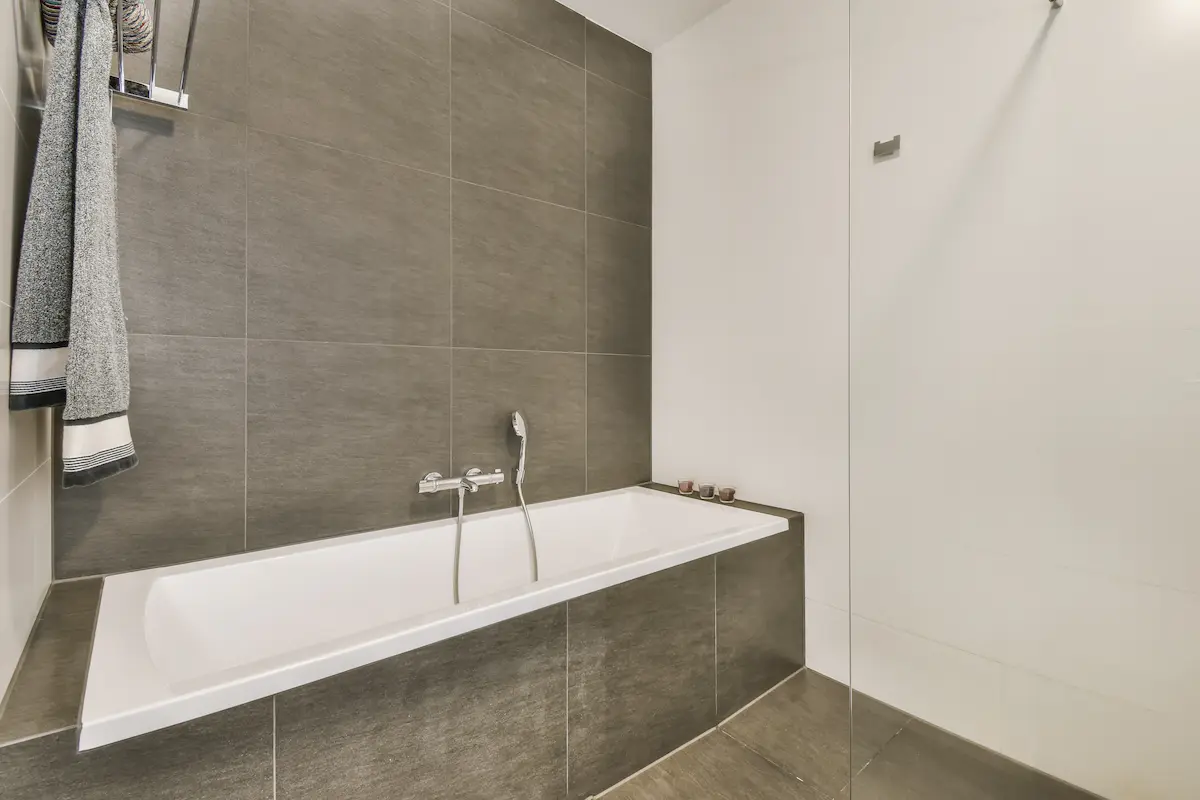
Showerheads, controls, and compatible hardware selected to suit the shower design, intended use, and surrounding finishes.
Complementary handles, accessories, and metal finishes that help create a consistent look across the bathroom's details.
Bathroom remodeling involves many decisions, from materials and fixtures to layout and finishing details. Our approach centers on thoughtful choices, clear planning, and a bathroom designed around your needs.
Understand your project's potential scope and expected costs through a free estimate, helping you evaluate your options and decide how to move forward with greater clarity.
Balance visual appeal, everyday functionality, and your personal preferences through considered design choices that make better use of your bathroom's available space.
Understand the proposed scope, important material selections, project priorities, and next steps before work begins, helping you approach your renovation with greater confidence.
Bring materials, fixtures, surfaces, and finishing touches together through carefully considered choices that create a cohesive bathroom design suited to your home.
Every renovation starts with understanding your goals. Our proposed process moves from the initial conversation toward a defined project scope and a bathroom plan that fits your needs.
Share your bathroom’s current condition, the changes you’d like to make, your preferred style, and the features that matter most to your household.
Talk through your priorities, preferred finishes, property considerations, and the overall scope of your bathroom renovation.
Review the proposed work, discuss important selections, and understand the expected costs and next steps before proceeding.
Once the project scope and arrangements are agreed upon, move into the renovation with a shared understanding of the plan.
Have an outdated bathroom or a new design in mind? Tell us about your space and what you want to change. Start with a free estimate and a conversation about your project.
Tell us a little about your bathroom so we can better understand your goals and the scope of work.